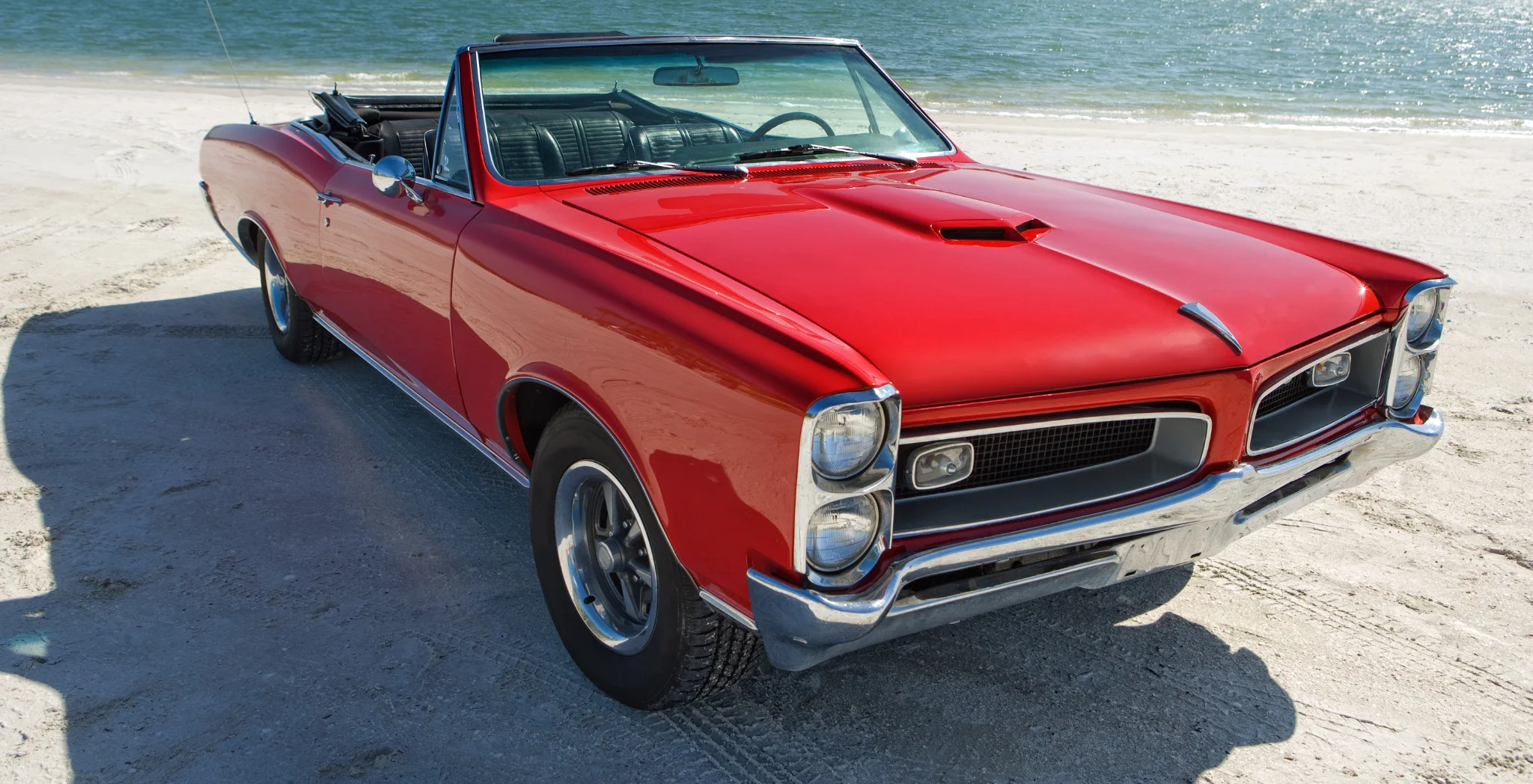
Buying a classic car is more than just acquiring a vehicle - it's stepping into a world of history, craftsmanship, and long-term value. Whether you're drawn by nostalgia, investment potential, or the thrill of owning something truly unique, the process requires careful planning and informed decision-making.
In 2026, the classic car market continues to grow, attracting both first-time buyers and seasoned collectors. However, unlike purchasing a modern vehicle, buying a classic car involves additional considerations - from authenticity and condition to long-term maintenance and resale value.
This guide will walk you through everything you need to know to confidently purchase a classic car and avoid costly mistakes.
What Defines a Classic Car?
Before diving into the buying process, it's important to understand what qualifies as a classic car.
Generally, a classic car is:
- At least 20-40 years old
- Maintained or restored to preserve its original character
- Recognized for its historical, cultural, or design significance
However, definitions can vary depending on the market, insurer, or collector community.
Types of Classic Cars
Understanding categories can help narrow your search:
American Muscle Cars: High-performance vehicles from the 1960s-1970s (e.g., Mustang, Camaro).
Vintage European Cars: Luxury and performance models known for engineering and timeless design.
Collector Cars: Limited production or historically significant vehicles.
Classic Trucks & SUVs: A rapidly growing segment, especially vintage off-road vehicles.
Each category comes with different price ranges, maintenance needs, and investment potential.
Why Buy a Classic Car in 2026?
The appeal of classic cars has expanded significantly in recent years.
1. Investment Potential: Many classic cars appreciate over time, especially rare or well-maintained models.
2. Unique Driving Experience: Classic cars offer a raw, analog driving experience that modern vehicles often lack.
3. Lifestyle and Status: Owning a classic car reflects personal style, passion, and appreciation for craftsmanship.
4. Limited Supply: As fewer high-quality models remain available, demand continues to increase.
Where to Find Classic Cars for Sale
One of the most important steps is choosing where to buy your classic car.
Dealerships (Recommended Option)
Buying from a reputable dealership offers:
- Curated, high-quality inventory
- Verified vehicle history
- Professional guidance
- Financing options
For most buyers - especially first-timers - this is the safest and most efficient route.
Private Sellers
Buying directly from an owner may offer lower prices, but comes with risks:
- Limited documentation
- No guarantees
- Higher likelihood of hidden issues
Auctions
Auctions can provide access to rare vehicles, but:
- Prices can escalate quickly
- Inspections may be limited
- Competition is high
Online Marketplaces
While convenient, these platforms require extra caution:
- Verify seller credibility
- Request detailed documentation
- Avoid deals that seem too good to be true
How to Set Your Budget
A common mistake among first-time buyers is underestimating the true cost of ownership.
Key Costs to Consider
- Purchase Price: The upfront cost of the vehicle.
- Transportation: Shipping a classic car can cost hundreds or thousands of dollars.
- Maintenance & Repairs: Older vehicles require ongoing care and occasional restoration.
- Insurance: Specialized classic car insurance is often required.
- Storage: Proper storage (garage, climate control) helps preserve value.
Pro Tip:
Always budget 15-30% extra beyond the purchase price for unexpected expenses.
What to Look for Before Buying a Classic Car
A thorough inspection is critical before making any purchase.
Exterior Inspection
- Check for rust (especially undercarriage)
- Look for uneven paint or bodywork
- Inspect panel alignment
Mechanical Condition
- Engine performance
- Transmission smoothness
- Brake functionality
- Suspension condition
Interior Condition
- Upholstery wear
- Dashboard functionality
- Electrical systems
Authenticity
- Matching VIN numbers
- Original parts vs modifications
Documentation
- Title and ownership history
- Service records
- Restoration documentation
The Importance of a Pre-Purchase Inspection
Even if a car looks perfect, a professional inspection can uncover hidden issues.
Who Should Inspect the Car?
- Certified mechanic
- Classic car specialist
What They Check:
- Structural integrity
- Mechanical systems
- Signs of previous damage
A small upfront cost can save you thousands in the long run.
Financing a Classic Car
Financing a classic car is different from financing a modern vehicle.
Available Options
- Specialty Lenders: Offer loans specifically for classic and collector cars.
- Dealership Financing: Often the most convenient option with flexible terms.
- Personal Loans: An alternative depending on your financial situation.
Factors That Affect Financing
- Vehicle age
- Condition
- Market value
- Your credit profile
Common Mistakes to Avoid
Avoiding these mistakes can protect your investment:
- Skipping Inspection: Never buy a classic car without a proper evaluation.
- Ignoring Documentation: Lack of paperwork can reduce value and create legal issues.
- Choosing Price Over Quality: A cheaper car may require expensive repairs.
- Buying Emotionally: Excitement can lead to poor decisions - stay objective.
- Underestimating Costs: Maintenance and restoration can add up quickly.
How to Choose the Right Classic Car for You
The "right" car depends on your goals.
For Investment:
- Focus on rarity and condition
- Look for strong market demand
For Enjoyment:
- Choose a model you love
- Consider drivability and comfort
For First-Time Buyers:
- Start with reliable, widely available models
- Avoid overly complex restoration projects
Why Buying from a Trusted Dealership Matters
Working with a professional dealership offers significant advantages:
- Verified and inspected inventory
- Transparent pricing
- Expert recommendations
- Access to financing
- Ongoing support
This reduces risk and simplifies the buying process.
Market Trends in 2026
Understanding current trends can help guide your decision:
- Rising demand for 80s and 90s vehicles
- Increased interest in classic SUVs and trucks
- Strong performance of well-documented cars
- Growing global buyer base
These trends indicate continued growth in the classic car market.
Final Thoughts
Buying a classic car is a unique experience that blends passion, lifestyle, and investment potential. While the process can be more complex than purchasing a modern vehicle, the rewards are equally greater.
By understanding the market, setting a realistic budget, and working with trusted professionals, you can make a confident and informed decision.
Whether you're looking for your first classic car or expanding your collection, the key is to approach the process strategically - and enjoy every step along the way.
Thinking about buying or selling a classic?
Our team works with collectors worldwide. Reach out and we will help you with the next step.