
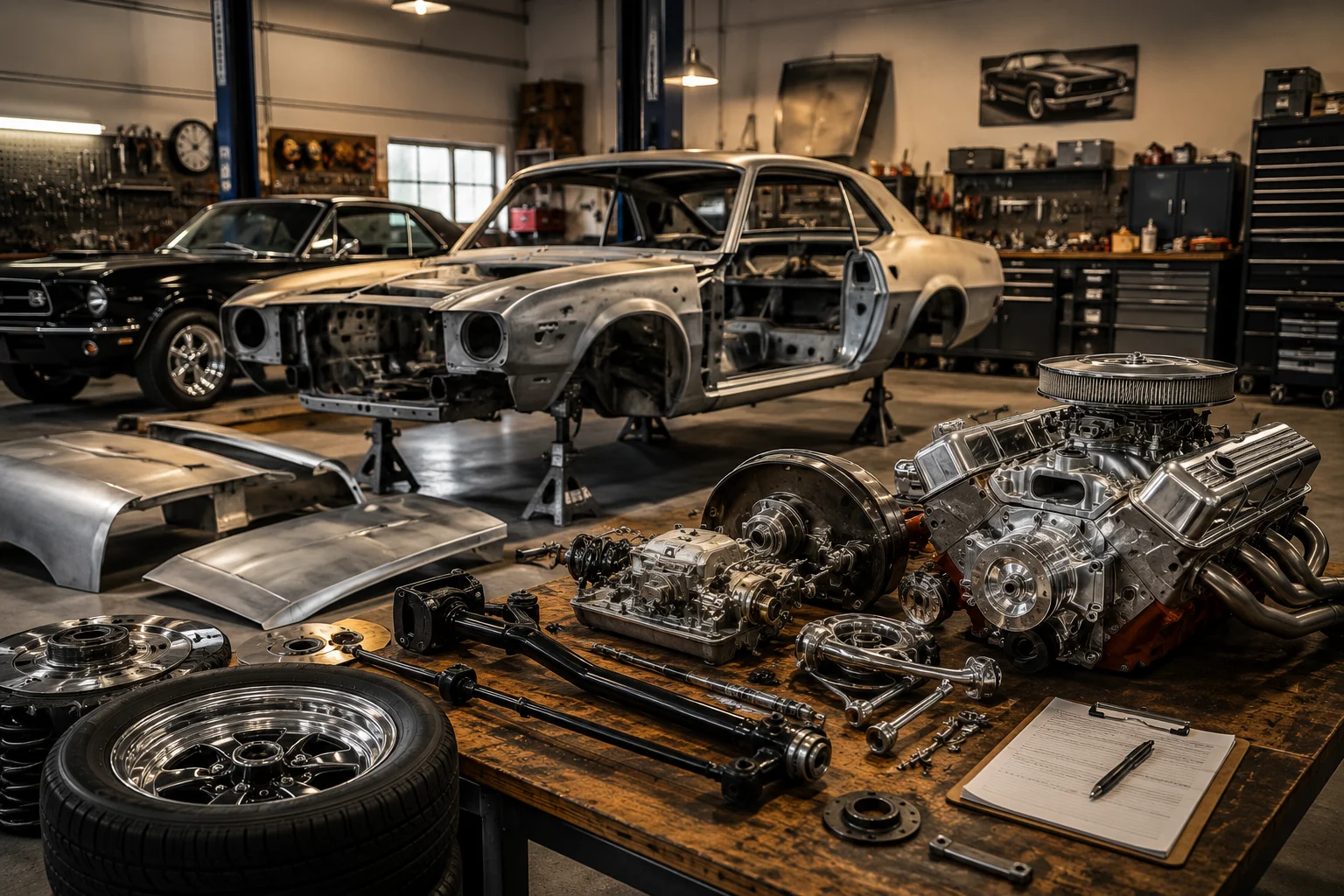
Understanding the Real Classic Car Restoration Cost Before Starting Your Dream Project
For many automotive enthusiasts, restoring a classic car is more than a hobby - it's a passion. Whether you're bringing a family heirloom back to life, rebuilding a rare muscle car, or pursuing a long-term investment, restoring a classic car can be one of the most rewarding experiences in the automotive world.
However, before diving into a restoration project, it's important to understand what you're truly committing to. One of the most common questions enthusiasts ask is: What is the real classic car restoration cost?
The answer varies significantly depending on the vehicle, its condition, the desired level of restoration, and whether you're completing the work yourself or hiring professionals.
In this guide, we'll break down the major expenses involved in restoring a classic car, explain what factors drive costs higher, and help you determine whether your dream project aligns with your budget.
Why Restoration Costs Vary So Much
No two restoration projects are identical.
A rust-free vehicle that has been stored properly for decades will require significantly less work than a neglected project car sitting in a field.
Several factors impact the overall classic car restoration cost:
- Vehicle condition
- Vehicle rarity
- Parts availability
- Restoration goals
- Labor requirements
- Paint and bodywork needs
- Mechanical condition
A project that appears affordable initially can quickly become much more expensive once hidden issues are uncovered.
That's why understanding restoration costs before purchasing a project vehicle is essential.
What Does "Restoring a Classic Car" Really Mean?
Restoration can mean different things to different owners.
Generally, restoration projects fall into three categories:
Driver-Quality Restoration
This type of restoration focuses on reliability and appearance rather than perfection.
Goals often include:
- Reliable operation
- Improved cosmetics
- Safe driving condition
Driver-quality restorations are often the most budget-friendly option.
Show-Quality Restoration
Show-quality projects aim to return a vehicle to near-factory condition or better.
These restorations typically include:
- Complete disassembly
- Professional bodywork
- High-end paint
- Detailed interior restoration
- Authentic components
Show-quality builds often represent the highest restoration costs.
Restomod Builds
Restomods combine classic styling with modern performance and technology.
Common upgrades include:
- Modern engines
- Disc brakes
- Fuel injection
- Air conditioning
- Digital instrumentation
These projects can become expensive quickly but often provide superior drivability.
The Biggest Cost Categories in a Restoration
Let's examine where restoration budgets are typically spent.
Bodywork and Paint
For most projects, bodywork is the single largest expense.
Common body-related repairs include:
- Rust removal
- Panel replacement
- Dent repair
- Metal fabrication
- Frame corrections
- Paint preparation
Typical Costs
Minor cosmetic work:
$2,000-$5,000
Moderate restoration:
$5,000-$15,000
Show-quality body and paint:
$20,000-$40,000+
Bodywork alone can account for nearly half of the total classic car restoration cost.
Engine Restoration
The engine is often one of the first areas owners focus on.
A complete engine restoration may involve:
- Rebuilding internal components
- Replacing seals and gaskets
- Machining engine components
- Carburetor restoration
- Fuel system upgrades
Typical Costs
Basic rebuild:
$2,500-$5,000
Performance rebuild:
$6,000-$15,000+
Rare or exotic engines can exceed these estimates substantially.
Transmission and Drivetrain
A restoration project doesn't stop at the engine.
Many classic cars require work on:
- Transmission
- Differential
- Driveshaft
- Axles
- Clutch systems
Typical Costs
Transmission rebuild:
$1,500-$4,000
Complete drivetrain restoration:
$3,000-$10,000+
Suspension and Brakes
Many older vehicles have worn suspension systems that affect safety and drivability.
Restoration often includes:
- Shocks
- Springs
- Bushings
- Steering components
- Brake systems
Typical Costs
Suspension refresh:
$1,500-$5,000
Complete performance upgrades:
$5,000-$10,000+
Interior Restoration
The interior can be one of the most underestimated aspects of restoring a classic car.
Common restoration areas include:
- Seats
- Carpet
- Headliner
- Dashboard
- Door panels
- Gauges
Typical Costs
Basic interior refresh:
$2,000-$5,000
Complete interior restoration:
$8,000-$20,000+
Vehicles with rare trim pieces often cost significantly more.
Electrical System Repairs
Classic vehicles frequently suffer from deteriorated wiring and outdated electrical components.
Restoration may include:
- Wiring harness replacement
- Lighting upgrades
- Charging system repairs
- Ignition upgrades
Typical Costs
Electrical repairs:
$1,000-$5,000+
Complex restomod electrical systems can exceed these figures.
Parts Availability and Cost
One of the most unpredictable factors in restoration is parts sourcing.
Popular vehicles such as:
- Ford Mustangs
- Chevrolet Camaros
- Chevrolet Corvettes
typically benefit from strong aftermarket support.
However, rare vehicles often require:
- Specialty suppliers
- Custom fabrication
- International sourcing
This can significantly increase both costs and project timelines.
Labor Costs: The Hidden Budget Killer
Many enthusiasts underestimate labor expenses.
Professional restoration shops commonly charge:
$75-$200+ per hour
A full restoration can require:
- 300-500 labor hours for moderate projects
- 1,000-2,000+ labor hours for concours restorations
Labor often becomes the single largest line item in restoration budgets.
DIY vs Professional Restoration
Many owners consider performing some work themselves to reduce costs.
Advantages of DIY Restoration
- Lower labor expenses
- Personal involvement
- Greater project control
Challenges
- Specialized tools required
- Longer timelines
- Learning curve
- Risk of costly mistakes
The best approach often combines professional services with owner participation.
Hidden Costs Most Owners Forget
Even experienced restorers encounter unexpected expenses.
Common hidden costs include:
- Transportation
- Storage
- Insurance
- Registration
- Specialty tools
- Unexpected rust repairs
- Replacement hardware
Many projects exceed their initial budgets by 20-50%.
Building a contingency fund is critical.
Does Restoration Increase Vehicle Value?
One of the biggest questions owners ask is whether restoration is financially worthwhile.
The answer depends on several factors:
- Vehicle rarity
- Market demand
- Restoration quality
- Documentation
- Originality
Certain vehicles can appreciate significantly after restoration, while others may never recover the investment cost.
That's why research is essential before starting any project.
Which Classic Cars Offer the Best Restoration Potential?
Some vehicles consistently remain popular among restorers due to strong collector demand.
Examples include:
- Ford Mustang Mach 1
- Chevrolet Camaro Z/28
- Chevrolet Corvette Sting Ray
- Dodge Charger R/T
- Pontiac GTO
These vehicles often have strong enthusiast communities and excellent parts availability.
Tips Before Starting Your Restoration Project
If you're considering restoring a classic car, follow these guidelines:
Buy the Best Starting Vehicle Possible
A cleaner project often saves thousands in restoration costs.
Set Realistic Goals
Decide whether you want:
- A driver
- A show car
- An investment vehicle
- A restomod
Create a Budget
Include a contingency reserve for unexpected expenses.
Research Market Values
Understand what completed examples are actually selling for.
Work With Specialists
Professional guidance can prevent costly mistakes.
Is Restoring a Classic Car Worth It?
From a purely financial perspective, not every restoration makes sense.
But for enthusiasts, restoration offers something beyond monetary return.
It provides:
- Pride of ownership
- Preservation of automotive history
- Customization opportunities
- A unique driving experience
Many owners find the journey just as rewarding as the finished vehicle.
Final Thoughts
Understanding the true classic car restoration cost is one of the most important steps before beginning a project.
Whether you're restoring a classic Mustang, Corvette, Camaro, or another collectible vehicle, proper planning helps avoid surprises and improves the likelihood of a successful outcome.
While restoration costs can vary dramatically, informed buyers who understand the process are better positioned to make smart decisions and maximize both enjoyment and value.
The key is simple: know what you're getting into before turning the first wrench.
Contact a Restoration Expert
Thinking about restoring a classic car or looking for a professionally restored vehicle instead?
Worldwide Vintage Autos offers a carefully curated inventory of restored classics and collectible vehicles, along with expert guidance for enthusiasts and collectors.
Contact our team today to discuss restoration options, collector vehicles, and available inventory:
https://www.worldwidevintageautos.com/contact/
Thinking about buying or selling a classic?
Our team works with collectors worldwide. Reach out and we will help you with the next step.