
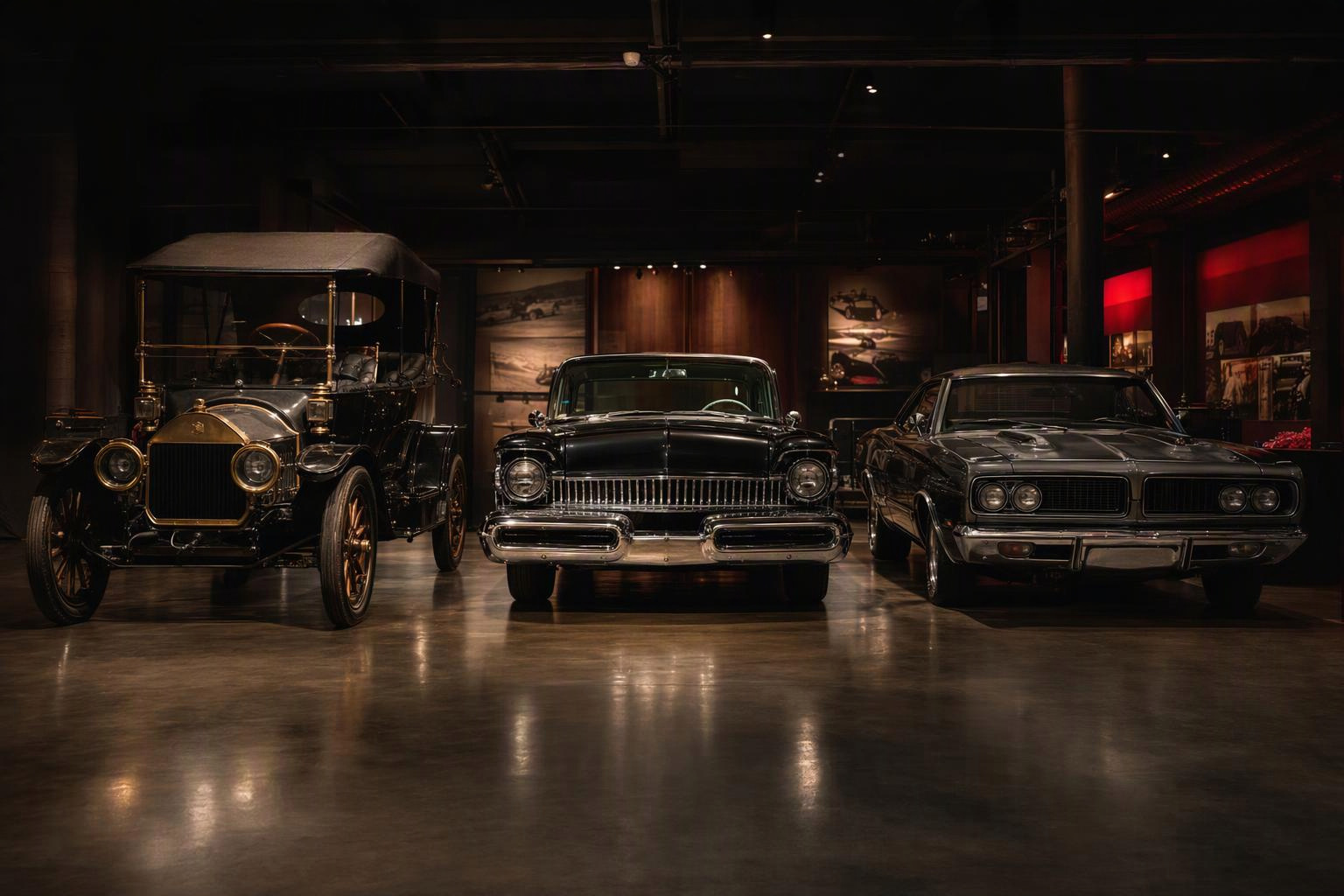
Understanding the Differences Between Classic, Vintage, and Antique Cars
If you've ever browsed collector car listings or attended a classic car show, you've likely heard terms like classic, vintage, and antique used interchangeably. While many people assume they all mean the same thing, each category has its own characteristics, historical significance, and criteria.
So, what makes a car a classic? Is it simply age, or are there other factors involved?
Whether you're considering purchasing a collector vehicle, restoring a family heirloom, or simply expanding your automotive knowledge, understanding these distinctions will help you better navigate the world of collectible automobiles.
In this guide, we'll explain the differences between classic, vintage, and antique cars, explore how vehicles earn classic status, and discuss why these distinctions matter to collectors and enthusiasts.
What Makes a Car a Classic?
There isn't a single universal definition of a classic car.
Instead, several organizations, insurance providers, and automotive enthusiasts use slightly different criteria. However, most agree that age alone does not determine whether a vehicle is considered classic.
A classic car generally combines:
- Historical significance
- Distinctive design
- Collector interest
- Limited availability
- Cultural impact
- Strong enthusiast following
Most classic cars are at least 20 to 25 years old, although some newer performance vehicles have already begun earning collector status.
Is Every Old Car a Classic?
The short answer is no.
Just because a vehicle has reached a certain age doesn't automatically make it collectible.
Many older vehicles never develop significant collector demand because they lack one or more of the qualities that define a true classic.
A vehicle is far more likely to become a classic if it offers:
- Innovative engineering
- Limited production numbers
- Strong performance
- Memorable styling
- Historical importance
Cars that shaped automotive history or influenced future vehicle design often become classics.
What Is a Classic Car?
Generally speaking, a classic car is a vehicle that has become desirable because of its age, rarity, design, performance, or cultural significance.
Examples include iconic American muscle cars, luxury vehicles, sports cars, and limited-production models.
Popular classic cars include:
- Ford Mustang Mach 1
- Chevrolet Corvette Sting Ray
- Chevrolet Camaro Z/28
- Dodge Charger R/T
- Pontiac GTO
These vehicles remain highly sought after because they represent defining moments in automotive history.
What Is a Vintage Car?
The term vintage car refers to a much older period in automotive history.
Many collectors define vintage vehicles as those built between approximately 1919 and 1930, following World War I and before the Great Depression.
Vintage automobiles are known for:
- Handcrafted construction
- Early engineering innovations
- Open-body designs
- Distinctive styling
Examples include early luxury automobiles produced by manufacturers such as Cadillac, Packard, Rolls-Royce, and Ford.
Vintage cars are prized for their craftsmanship and historical importance rather than outright performance.
What Is an Antique Car?
An antique car is generally considered any vehicle that is 45 years old or older, although the exact age requirement varies depending on local regulations, insurance companies, and collector organizations.
Antique vehicles typically represent earlier eras of automotive history and often qualify for:
- Antique registration
- Collector insurance
- Specialty licensing
Many antique vehicles are displayed at museums, parades, and historic automotive events.
Classic vs. Vintage vs. Antique Cars
Although the terms are often confused, they describe different categories.
| Category | Typical Age | Characteristics |
|---|---|---|
| Classic | Usually 20-25+ years | Desirable, collectible, historically significant |
| Vintage | Approximately 1919-1930 | Early handcrafted automobiles |
| Antique | Generally 45+ years | Historic older vehicles |
The important takeaway is that not every antique vehicle is considered a classic, and not every classic car qualifies as vintage.
What Makes a Classic Car Valuable?
Several factors determine whether a classic car increases in value over time.
Rarity
Limited production numbers often lead to greater collector demand.
Special editions, performance packages, and low-production models generally appreciate faster.
Originality
Collectors highly value vehicles that retain their original:
- Engine
- Transmission
- Paint colors
- Interior
- Documentation
Matching-numbers vehicles often command premium prices.
Historical Significance
Cars associated with important moments in automotive history frequently become more valuable.
Examples include:
- First-generation muscle cars
- Landmark sports cars
- Limited-production performance models
Condition
Well-preserved vehicles naturally attract more interest.
Condition categories often include:
- Original survivor
- Restored
- Restomod
- Driver-quality
High-quality restorations can substantially increase both desirability and value.
Collector Demand
Perhaps the biggest factor is demand.
Vehicles supported by strong enthusiast communities tend to maintain healthy long-term values.
Why Some Cars Become Classics Faster Than Others
Not every vehicle waits decades before becoming collectible.
Certain modern performance cars have achieved collector status relatively quickly due to:
- Limited production
- Exceptional performance
- Cultural popularity
- Strong resale demand
Manufacturers sometimes produce special editions specifically intended to become future classics.
The Role of Restoration
Restoration plays an important role in preserving classic automobiles.
A professional restoration can:
- Improve reliability
- Preserve automotive history
- Increase resale value
- Extend vehicle lifespan
However, maintaining originality remains important for many investment-grade collector vehicles.
Balancing restoration quality with authenticity often produces the strongest long-term value.
Why Enthusiasts Love Classic Cars
Owning a classic car offers much more than financial potential.
Enthusiasts appreciate classic vehicles because they represent:
- Automotive history
- Timeless design
- Mechanical simplicity
- Driving engagement
- Personal nostalgia
Unlike many modern vehicles, classic cars deliver a direct, analog driving experience that continues attracting new generations of collectors.
Buying Your First Classic Car
If you're entering the collector market, consider these tips:
Define Your Goals
Are you buying for:
- Weekend driving?
- Investment?
- Restoration?
- Car shows?
Knowing your objective helps narrow your search.
Research Before Buying
Learn about:
- Market values
- Common mechanical issues
- Parts availability
- Restoration costs
Knowledge can prevent expensive surprises.
Inspect the Vehicle Carefully
Pay close attention to:
- Rust
- Structural integrity
- Engine condition
- Documentation
- Previous restoration work
A professional inspection is often worth the investment.
Buy the Best Example You Can Afford
A well-maintained vehicle frequently costs less in the long run than restoring a neglected project.
Why Classic Cars Continue Growing in Popularity
Interest in classic cars continues increasing worldwide.
Several trends contribute to this growth:
- Rising collector demand
- Online auctions
- Automotive nostalgia
- Alternative investments
- Social media communities
As younger enthusiasts enter the hobby, demand continues expanding beyond traditional muscle cars into sports cars, luxury vehicles, and vintage SUVs.
Final Thoughts
Understanding what makes a car a classic helps buyers, collectors, and enthusiasts make informed decisions when entering the collector car market.
While the terms classic, vintage, and antique are often used interchangeably, each has a distinct meaning based on age, history, and collector significance.
Whether you're searching for your first collector vehicle or expanding an existing collection, choosing a well-preserved, historically significant automobile is often the best long-term investment.
Above all, the best classic car is one that combines timeless design, driving enjoyment, and a story worth preserving.
Browse Our Classic Car Inventory
Ready to find your own classic car?
Worldwide Vintage Autos offers an exceptional selection of restored classics, vintage collectibles, and iconic American muscle cars for enthusiasts and collectors alike.
Browse our inventory today and discover timeless vehicles ready for the road:
Thinking about buying or selling a classic?
Our team works with collectors worldwide. Reach out and we will help you with the next step.